Eurofeu - 2025

SSI Category A


A comprehensive system, the category A SSI combines a SDI (fire detection system) and a SMSI (fire safety system) to ensure the safety and protection of IGHs, IMHs and ERPs, depending on their Type and Category. It can also be required for ERTs on request.

SSI training

You need personalized support

Our teams are at your disposal to answer any questions you may have.

or

How do you determine the category of an SSI?

Fire safety systems ensure the safety of occupants in public buildings, high-rise buildings, industrial buildings and workplaces.

There are several I.F.S. categories, in decreasing order of risk severity: A, B, C, D and E (according to NF S61-931). Each category induces a different level of severity of the I.S.S., i.e. from type 4 alarm equipment to automatic fire detection with emergency shutdown.

ERP are classified into activity types and categories, ranging from 1 to 5, depending on the number of people admitted to the establishment.

Alarm equipment is designed according to the NF S61-936 standard, which distinguishes 5 different types: type 1, 2a, 2b, 3 and type 4.


ECS Category A

What makes a Category A SSI?

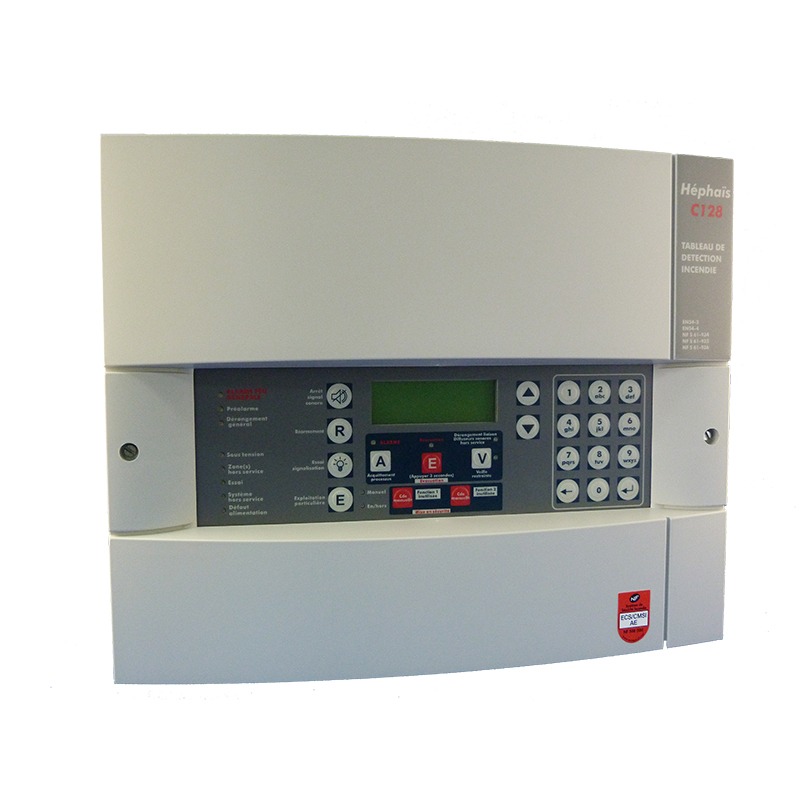
HEPH128 Fire detection

Category A fire safety systems are the most comprehensive. It comprises a fire detection system (FDS) and a fire safety system (FSS) for evacuation, compartmentalization and smoke extraction.

Type 1 alarm equipment is always associated with a Category A SSI. This is the only type of alarm equipment that includes automatic fire detectors (AFD).

Category A has a configuration variant for high-rise buildings, where the alarm is broadcast by compartment.

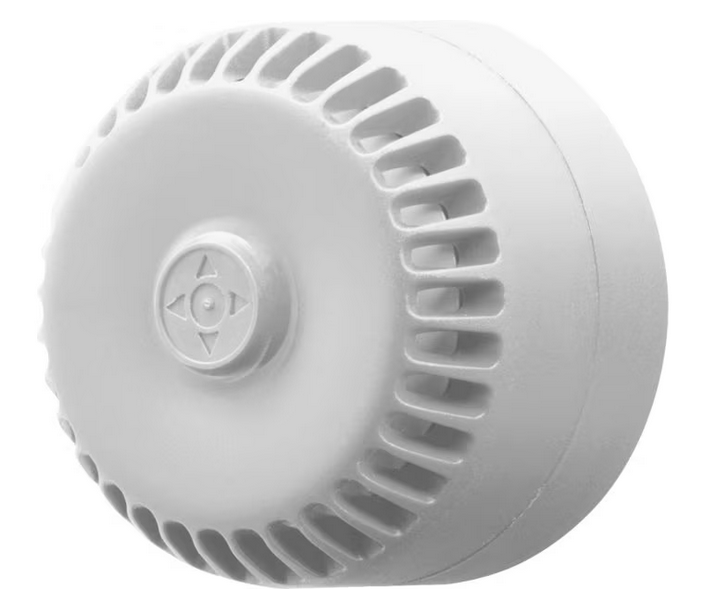
Our type 1 alarm equipment

The Fire Detection System (FDS) specific to Category A refers to the devices used to identify the presence of a fire. It includes the following elements:

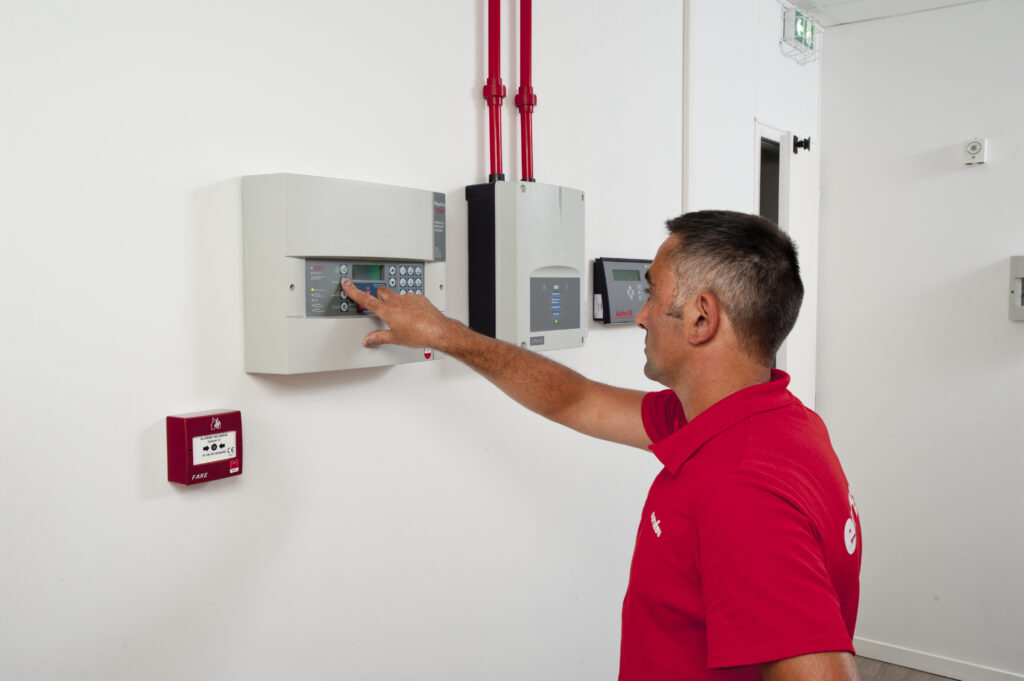
ECS (Control and signalling equipment)

The ECS centralizes information from automatic detectors and manual releases.

ECS Category A

Automatic fire detectors (AFD)

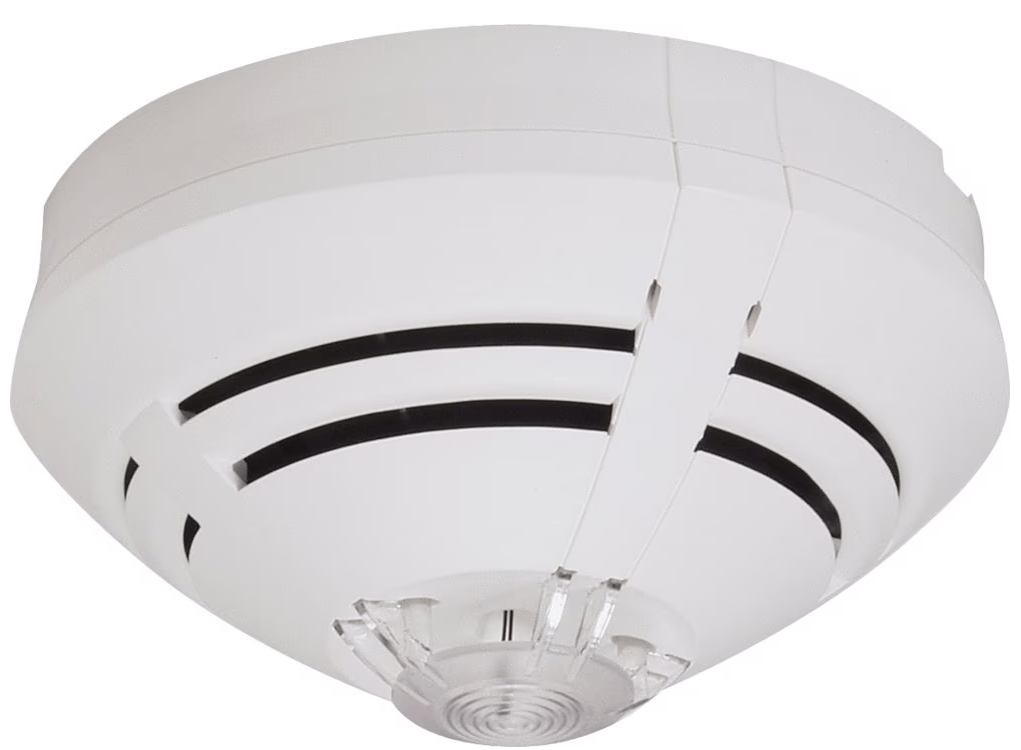
Optical point-source smoke detectors

Detect the presence of smoke, an early sign of fire

Category A detector

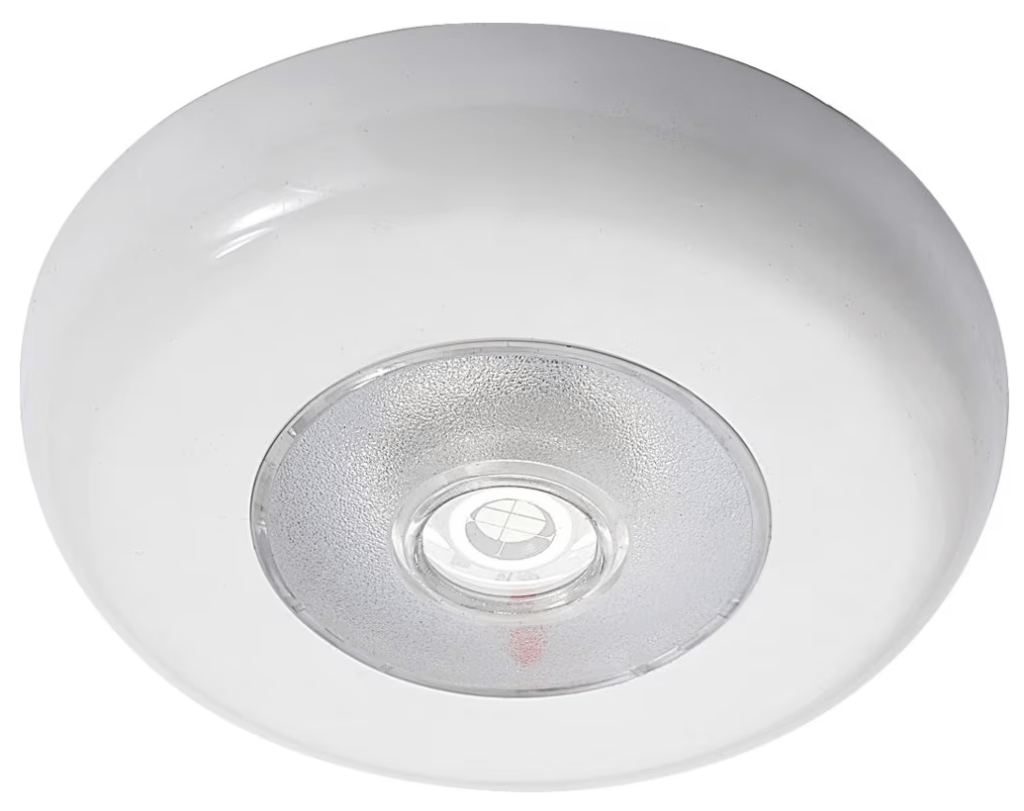
Thermovelocimetric or thermostatic spot heat detectors

Reacts to rapid temperature increases or to a specific predefined temperature

Category A detector

Optical linear smoke detectors

Detect the presence of smoke in high spaces (storage cells, plenums)

Category A detector

Flame detectors

Detect infrared and/or ultraviolet radiation emitted by flames. Used in industrial and outdoor environments

Category A flame detector

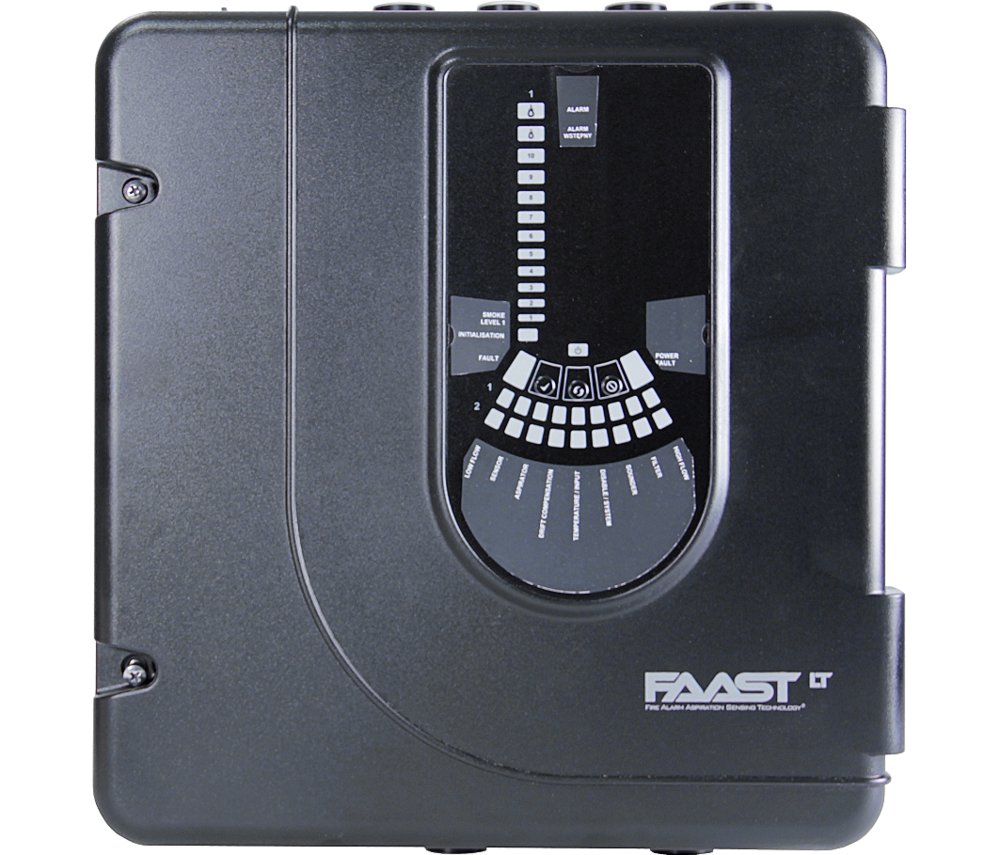
Aspirating smoke detectors

Detect the presence of smoke in high spaces or specific areas (clean rooms, cold rooms).

Smoke extraction fire detection

The Fire Safety System (FSS)

The ISMS for Category A includes the following elements, depending on the configuration:

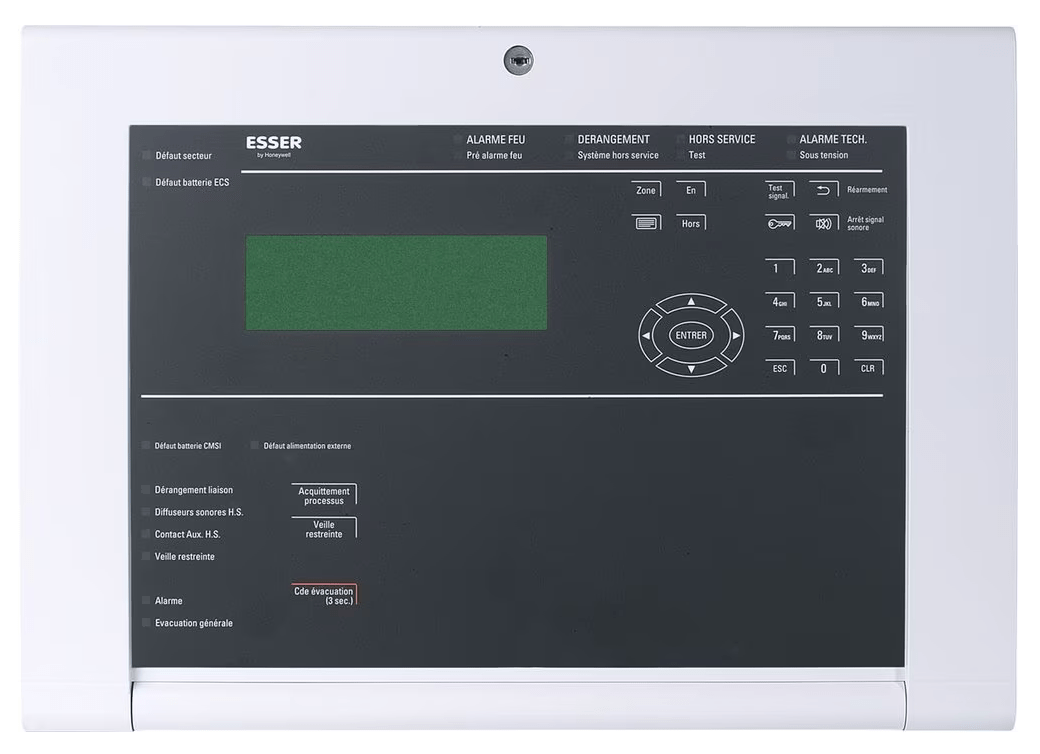
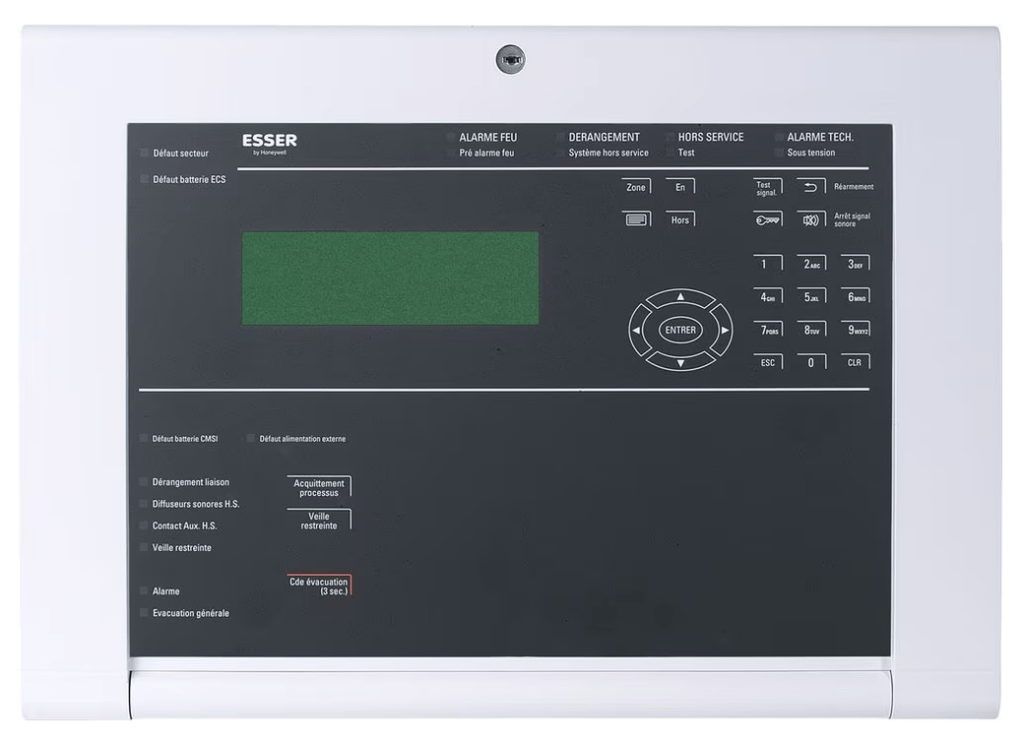
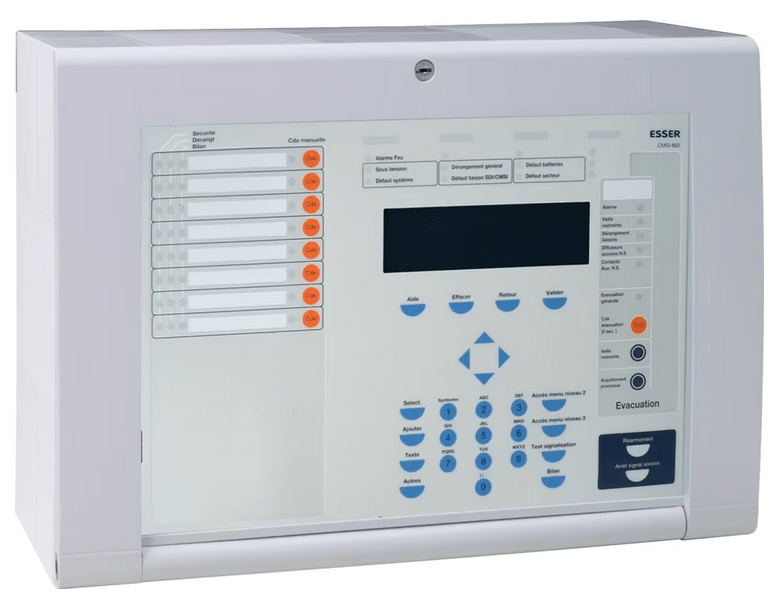
Type A fire safety control panel(s) (CMSI) including alarm management unit (UGA1)

ESSER type a fire detection system

Actuated safety devices (ASD)

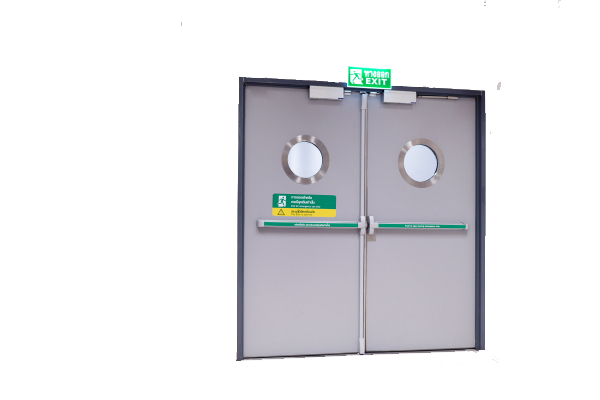
They provide compartmentalization, smoke extraction and evacuation functions.

fire door maintenance

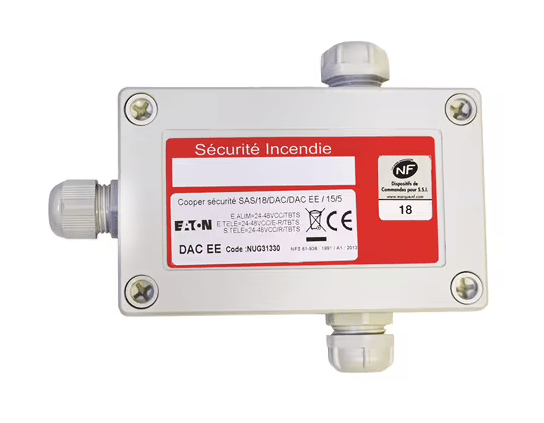
Control adapter(s) (DAC),

Transmits orders to DAS, adapting commands (e.g. electric to pneumatic)

DAC Category B
ESSER fire detection

This is the most comprehensive system available, and is generally intended for public-access buildings with sleeping quarters, i.e. day-care facilities such as nursing homes, hotels, hospitals and boarding schools.


for
elderly or
disabled people
Hotels, guesthouses
,
accommodation establishments

vacation centers

With sleeping quarters

Care facilities

With sleeping quarters