

Organizing a fire drill: obligations and legislation
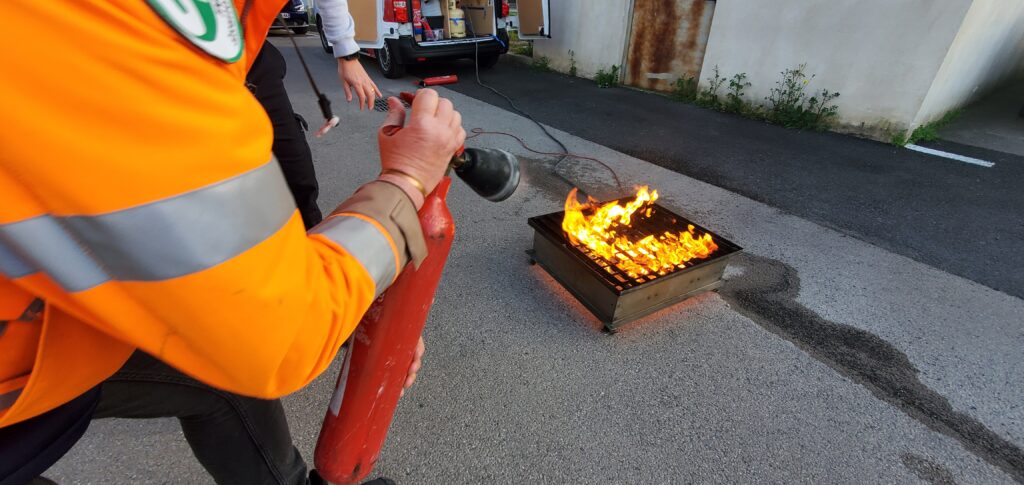
Fire drills are mandatory in companies to ensure employee safety and ensure that teams are able to respond quickly in the event of an emergency. These drills test the effectiveness of the evacuation plan, train employees, and identify any weaknesses in the organization.
⚖️ What are the current regulations?
According to the Labor Code (Articles R4227-28 to R4227-39), the employer must:
- Train employees in fire safety
- Provide a clear and visible evacuation plan
- Organize at least one evacuation drill per year.
- Maintain a safety log, where the following will be recorded:
- The dates of the exercises
- The sequence of events
- Any observations
For buildings open to the public (ERP) or high-rise buildings (IGH), other regulations reinforce these obligations, sometimes with a higher frequency and specific requirements (such as SSIAP training).
🛠️ How to organize an effective evacuation drill?
- Define a realistic scenario: starting point of the fictitious fire, evacuation route, smoke simulation if possible, etc.
- Inform the teams without revealing all the details, to test their spontaneity.
- Appoint guides and rear guards who are trained for their roles.
- Trigger the alarm and time the evacuation
- Set up a meeting point
- Evaluate the exercise: note strengths, areas for improvement, behaviors to adjust.
- Record the exercise in the safety logbook.
🎯 Objectives of an evacuation drill:
- Ensure that everyone is familiar with the instructions.
- Ensure that emergency exits are accessible.
- Train employees to react quickly and without panicking
- Testing the effectiveness of warning and guidance systems
✅ Good to know
- The exercise can be carried out in collaboration with a specialized organization or local emergency services.
- It is recommended to vary the scenarios for each exercise (fire in a storage area, in an office, etc.).
- An annual report must be archived and accessible, particularly in the event of an inspection or audit.
Article écrit par le service expertise Eurofeu
Read our other articles here! :