

Business continuity plan in case of fire: why and how to implement it?
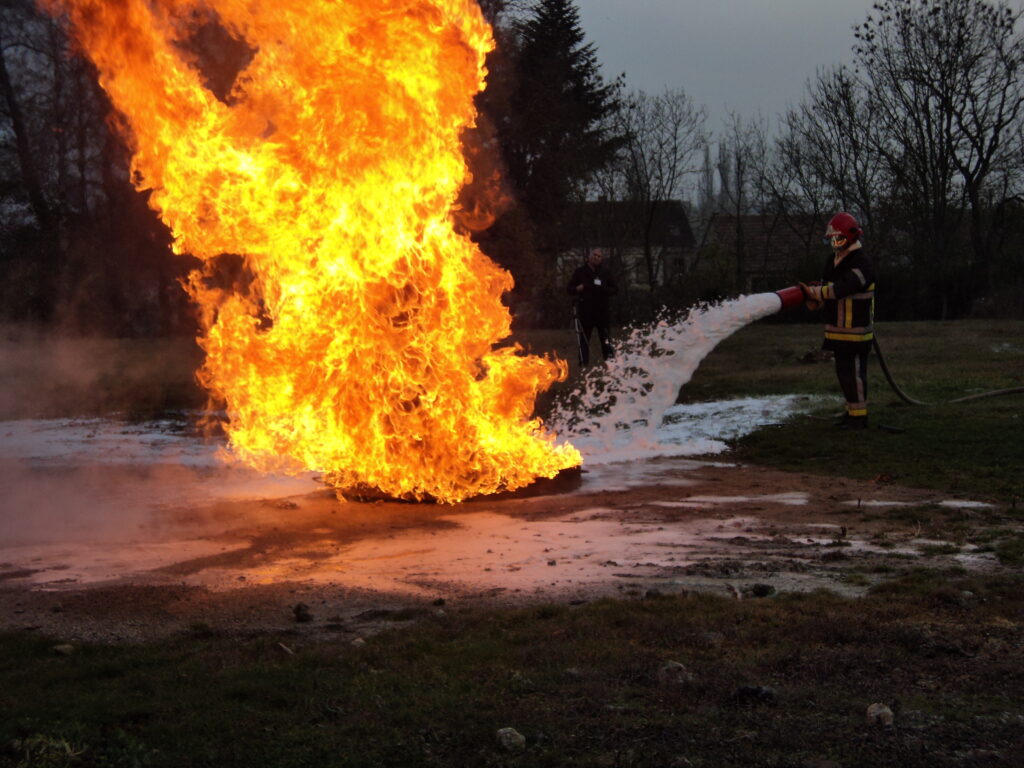
A business continuity plan (BCP) aims to anticipate the consequences of a disaster, such as a fire, and ensure the maintenance or rapid resumption of the company's essential activities. It is an indispensable strategic tool for limiting human, material, and economic losses.
🧱 What should a fire safety plan contain?
- Risk analysis
- Identify sensitive areas (premises, servers, inventory, critical data, etc.)
- Assess the potential impact of a fire on business
- Identification of priority activities
- Determine the services or functions that are essential to the survival of the company.
- Prioritize the processes to be restarted
- Crisis scenarios
- Define the different possible scenarios (partial fire, total fire, data loss, etc.)
- Develop action plans tailored to each scenario
- Fallback solutions
- Alternative premises or teleworking
- Offsite computer backups
- Subcontractors or service providers
- Roles and responsibilities
- Appoint a BCP coordinator
- Set up a crisis unit
- Train teams in procedures
- Communication plan
- Quickly inform employees, customers, suppliers, and partners
- Establish backup information channels
- Regular testing and updates
- Simulate emergency situations to test the effectiveness of the BCP
- Update the plan whenever there is a major change (moving, new activity, etc.).
📌 Why is the emergency plan essential in the event of a fire?
- Reduce business interruptions
- Protecting data and infrastructure
- Reassure partners and customers
- Strengthening business resilience
👨💼 Good to know
The implementation of a BCP can be based on ISO standards (in particular ISO 22301 on business continuity management). It may also be required in certain calls for tenders or by insurance companies.
Read our other articles here! :