

Fire safety in apartment buildings and collective housing: what do you need to know?
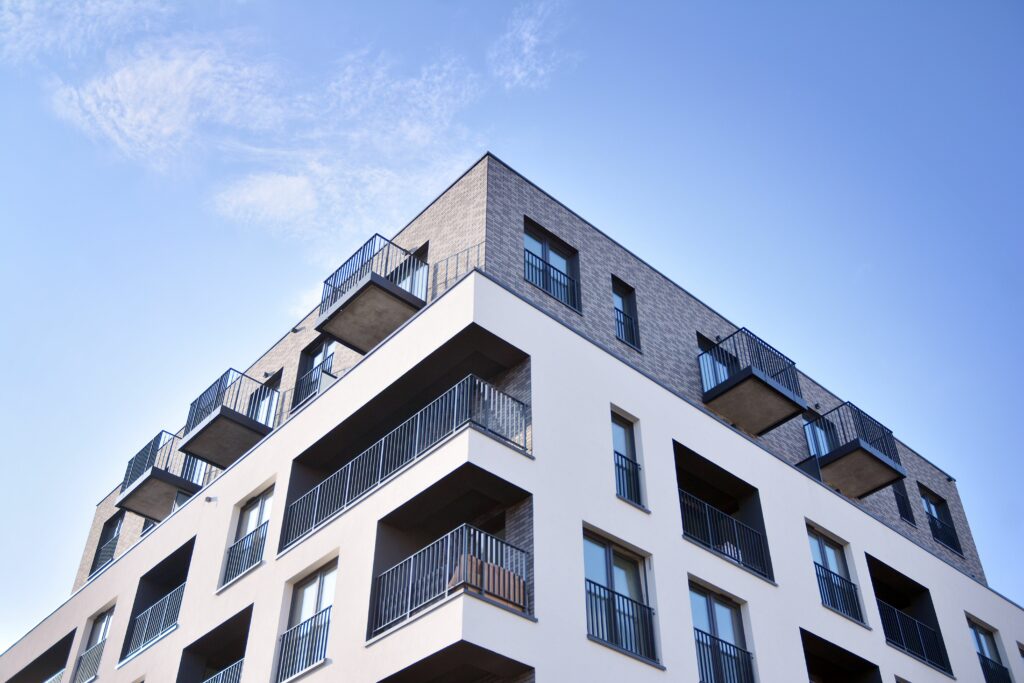
Fire safety in multi-unit residential buildings is governed by strict regulations designed to protect occupants, prevent fires from starting, and ensure rapid evacuation in the event of a fire.
- Decree of January 31, 1986, relating to fire protection in multi-unit residential buildings.
- Building and Housing Code.
- Strengthened requirements for buildings over 50 meters (high-rise buildings).
🧯 2. Obligations for owners or property managers
- Smoke detector (DAAF): Mandatory in every home since 2015.
- Inspection of electrical installations: Particularly in common areas.
- Regular maintenance of safety equipment: Fire doors, emergency lighting, alarms, fire extinguishers in parking lots or boiler rooms.
- Inspection of ventilation and smoke ducts.
🚪 3. Building design and layout
- Compartmentalization to limit the spread of fire (fire doors, hatches, etc.).
- Enclosed (closed) staircases with secure access.
- Do not obstruct common areas (corridors, halls, staircases).
🧑🤝🧑 4. Responsibilities of residents
- Do not block emergency exits.
- Do not use elevators in case of fire.
- Follow the posted safety instructions.
- Avoid risky behavior: unattended candles, overloaded power strips, cigarettes that have not been properly extinguished, etc.
🧑🚒 5. Prevention and awareness
- Inform residents about what to do in the event of an alarm or smoke.
- Organize poster campaigns or information meetings through the building managers.
- Check that evacuation plans are visible in halls and corridors.
✅ Key takeaway:
Key elements | Mandatory? |
Smoke detector in every home | ✅ Yes |
Compartmentalization (fire doors, ducts) | ✅ Yes |
Fire extinguishers in common areas (special cases) | ⚠️ Depending on configuration |
Maintenance of security installations | ✅ Yes |
Training or awareness-raising for residents | 👍 Recommended |
👉 Tip: Good coordination between owners, managers, and residents is essential to ensure optimal safety in multi-unit dwellings. Prevention starts with everyday vigilance.
Read our other articles here! :