

Fire safety for historic monuments: what measures should be taken?
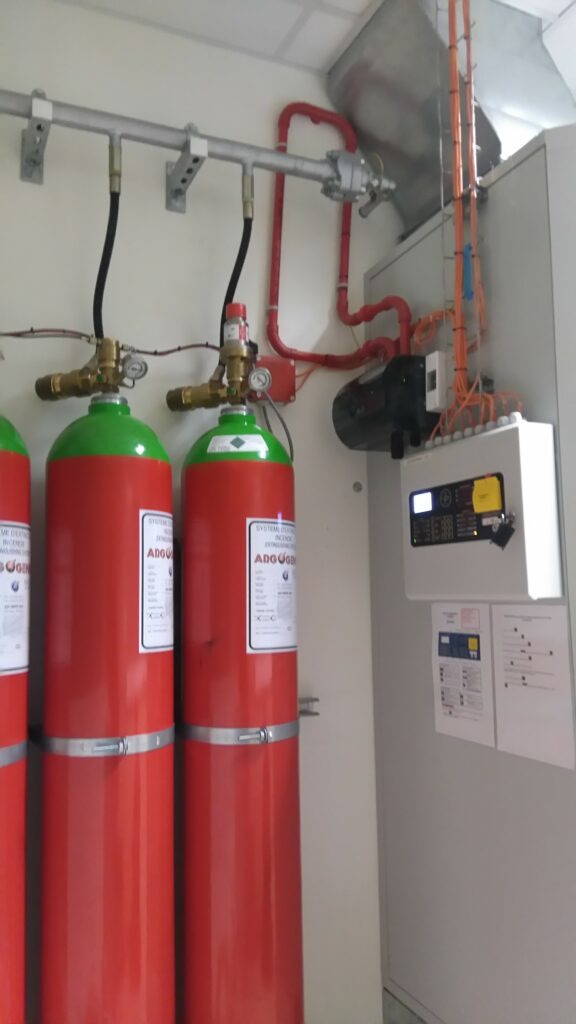
Fire safety in historic buildings presents unique challenges due to the need to preserve heritage while ensuring the safety of people and the protection of buildings. Because of their ancient architecture, specific materials, and cultural value, historic buildings must comply with fire safety standards that are tailored and adapted to their particular characteristics.
📜 1. Fire safety regulations and requirements for historic monuments
Historic monuments are subject to specific fire safety regulations, which must be compatible with heritage preservation:
- The Heritage Code: This code governs the protection of historic monuments, ensuring that renovation and development work respects the architectural and historical value of the building. However, it does not neglect the importance of occupant safety.
- The Building and Housing Code: This code imposes fire safety rules for all establishments open to the public, including historic monuments open to the public, such as museums, theaters, and tourist sites.
- Prefectural decrees: Local authorities may impose specific security measures depending on the risks associated with each monument and its use (public exhibition, guided tours, etc.).
🔥 2. Fire safety challenges in historic monuments
Historic monuments pose increased risks due to their complex structure, age, and concentration of flammable materials (wood, old textiles, paper, etc.). Here are some of the main challenges:
- Fragile materials: Materials such as wood, plaster, stone, and old fabrics can be highly flammable and spread quickly, making fire prevention and extinguishing difficult.
- Complex architecture: Buildings may have hard-to-reach areas, narrow staircases, or rooms located high up, making evacuation difficult in the event of a fire.
- Heritage protection: Modern safety systems, such as sprinklers or detectors, must be installed in such a way that they do not compromise the integrity of the monument. For example, the installation of sprinklers or fire doors must respect the aesthetics and structure of the building.
🔧 3. Specific fire safety measures for historic monuments
To ensure fire safety while preserving heritage, here are the measures to be taken:
- Fire detection systems: Smoke detectors and alarm systems must be installed in such a way as to ensure rapid detection without detracting from the visual appearance and structure of the monument. Thermal or optical detectors can be installed discreetly.
- Smoke extraction systems: An effective smoke extraction system is crucial to ensure safe evacuation in the event of a fire, especially in confined spaces such as basements or upper floors. This system must be adapted to the specific architecture and volumes of the building.
- Suitable fire extinguishers: The type of fire extinguisher used must be chosen based on the risks involved, but also on the material to be protected. For example, CO2 or powder extinguishers can be used in rooms containing valuable items.
- Fire doors and partitions: To limit the spread of fire, fire doors and fire-resistant partitions must be installed, taking into account the preservation of architectural elements. These devices must be functional while preserving the aesthetics of the building.
- Staff training: Staff working in these monuments must be trained in first aid and the use of fire safety equipment. In addition, they must be familiar with specific evacuation procedures due to the complex layout of the building.
- Evacuation plans: Clear evacuation plans must be posted in public areas. It is essential that these plans take into account risk areas and alternative evacuation routes.
🧑🚒 4. Conservation and risk management plan
To ensure effective fire safety management while preserving heritage, it is important to have a site-specific conservation plan. This plan should include:
- Risk identification: Each area of the monument must be inspected to determine specific fire risks and vulnerable areas.
- Preventive measures: Regular inspection of electrical installations, maintenance of fire safety equipment, and strict management of flammable materials must be carried out.
- Regular drills: Evacuation drills must be conducted regularly to test the effectiveness of safety measures and the responsiveness of teams.
✅ Key takeaways
Key element | Status |
Fire detection systems | ✅ Mandatory |
Suitable fire extinguishers | ✅ Recommended |
Smoke control | ✅ Recommended |
Fire doors and fire-resistant partitions | ✅ Recommended |
Staff training | ✅ Essential |
Evacuation plans and signage | ✅ Mandatory |
Preserving heritage when installing devices | ✅ Essential |
🧠 Good to know:
Fire safety in historic monuments requires a balanced approach between prevention and heritage preservation. The installation of modern equipment must be carefully planned to ensure safety while respecting the historic characteristics of the building.
Read our other articles here! :